
Cost of Land Survey Marking
Land survey marking services typically involve establishing precise reference points on a property to define boundaries and facilitate construction or land development. The final costs for these services can vary based on the scope of the project, the materials used for markers, labor requirements, and specific site conditions such as accessibility or terrain challenges. Understanding these factors can help in comparing options and estimating project expenses.
Prices for land survey marking are often influenced by the extent of the area to be marked, the type of markers selected, and any additional site preparations needed. Since project requirements differ widely, it is common for final pricing to fluctuate accordingly. Consulting with professionals and obtaining detailed quotes can provide a clearer understanding of expected costs based on individual project details.

Price Range Overview
$1,200 - $2,800 (smaller scope)
$3,500 - $7,500 (larger or more complex projects)
| Project Type | Typical Range |
|---|---|
| Boundary Marking | $1,200 - $2,500 |
| Topographic Survey | $2,500 - $5,000 |
| Construction Staking | $3,000 - $7,000 |
| ALTA/NSPS Land Title Survey | $4,500 - $8,000 |
| Subdivision Platting | $5,000 - $12,000 |
| Flood Elevation Certificate | $1,200 - $2,800 |


Factors Affecting Cost
Land survey marking involves establishing precise physical references on a property to define boundaries and key points. These markers are essential for legal property delineation, construction planning, and land development projects. Understanding the typical components and considerations can aid in planning and budgeting for survey marking services.
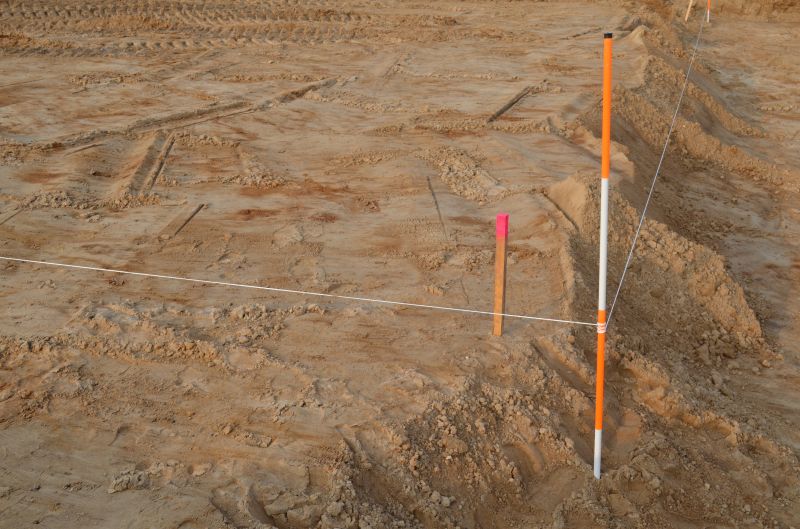
- Materials: Common materials include metal pins, wooden stakes, or plastic caps, selected based on durability and project requirements.
- Size and Scope: The scope varies from small boundary markers to extensive networks of survey points across large parcels.
- Labor Complexity: The complexity depends on terrain, accessibility, and the number of markers needed, influencing the level of effort required.
- Permitting: Some projects may require permits or approvals from local authorities before marking can commence.
- Additional Features: Extras may include GPS coordinates, detailed documentation, or protective covers for markers to ensure longevity.
Project Size Considerations
| Scope/Size | Typical Range |
|---|---|
| Small Marker (e.g., property corner) | 1-3 inches |
| Medium Marker (e.g., boundary line) | 3-6 inches |
| Large Marker (e.g., survey monument) | 6-12 inches |
| Depth of Placement | 6-24 inches |
| Material | Metal, concrete, or plastic |
Typical project costs and marker specifications can vary based on site conditions and marker type.